Source Lightweight Breathable Safari Jacket for Travel, Outdoor, Adventure
Compare 30 listings for a lightweight breathable safari jacket designed for casual, travel, and outdoor use. Buyers can evaluate features like moisture-wicking fabric, adjustable cuffs, and customization options from suppliers in Fujian, China; compare the available evidence and request quotations based on your requirements.
Key considerations
Products List


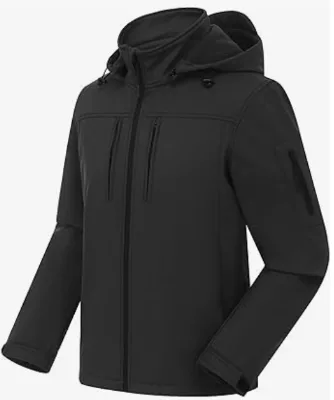
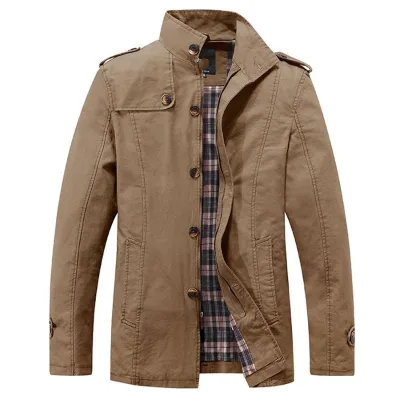
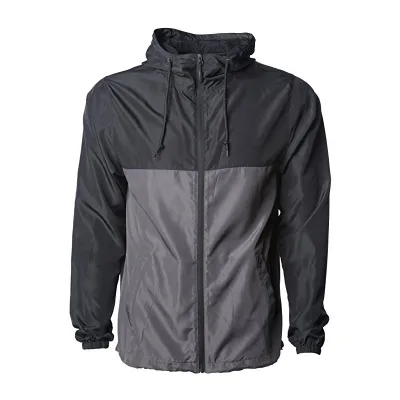


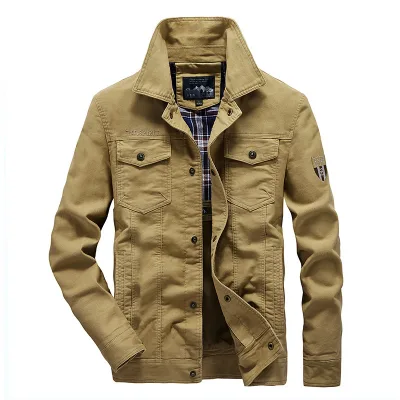
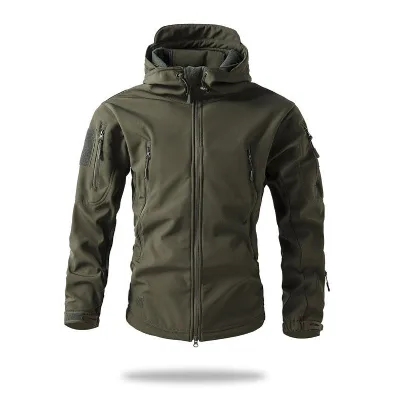
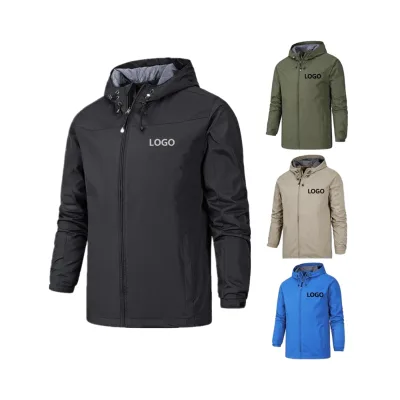


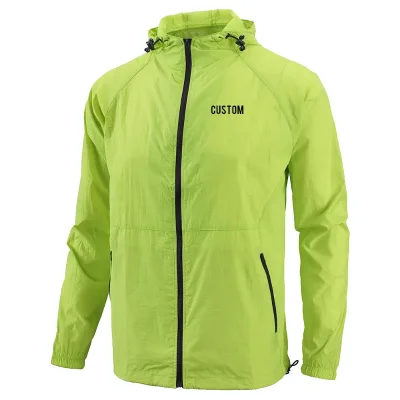
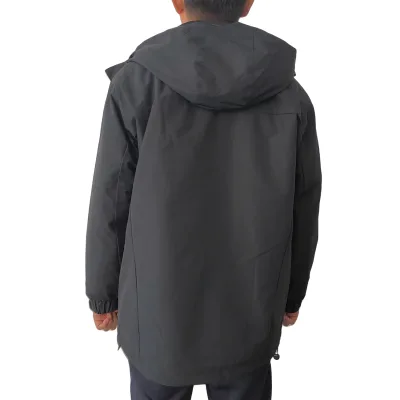

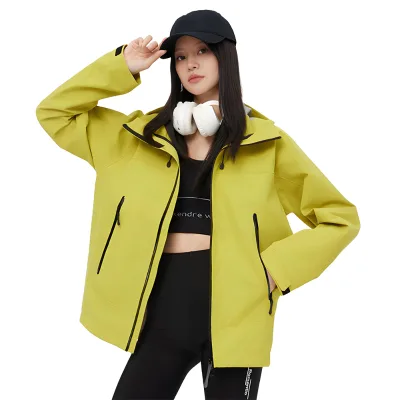
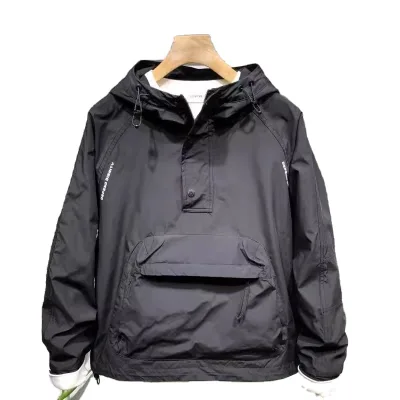
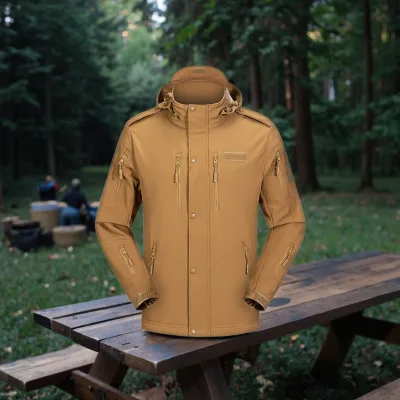
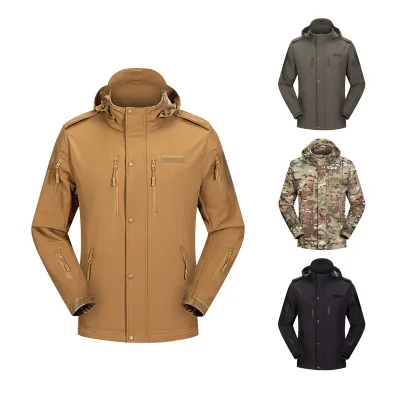
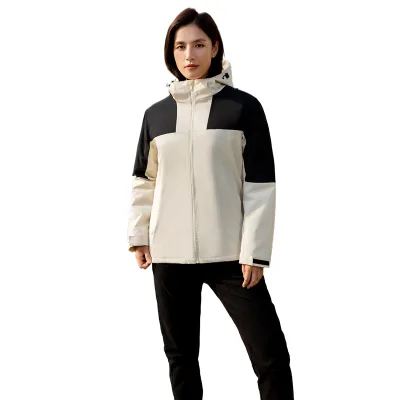
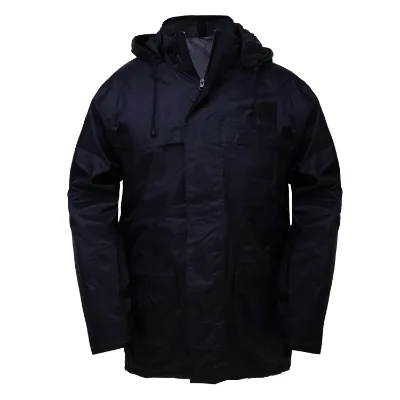
Comprehensive Sourcing Guide
Lightweight Breathable Safari Jacket Sourcing Guide
Procuring lightweight breathable safari jackets requires a strategic balance between aesthetic versatility and functional performance, particularly for buyers targeting casual, travel, or outdoor adventure markets. The observed product landscape indicates a strong preference for polyester-based constructions that offer moisture-wicking capabilities alongside a standard fabric weight of 120 grams. This specific weight class suggests a garment designed for transitional weather conditions, providing sufficient coverage without the bulk associated with heavy winter wear. Buyers must recognize that the term "safari" in this context often denotes a stylistic silhouette featuring epaulets, button detailing, and a hooded collar, rather than strictly utilitarian field gear. Consequently, the sourcing strategy should prioritize suppliers who can replicate these fashion-forward elements while maintaining the structural integrity required for daily wear.
The commercial environment for these items is characterized by high customization potential and flexible minimum order quantities, ranging from single sets to larger batches of one thousand units. This flexibility allows both emerging brands and established retailers to test market responses with minimal initial capital expenditure. However, the availability of OEM services and digital printing options introduces complexity into the quality assurance process. Buyers need to verify that the digital printing methods used do not compromise the breathability or water-resistant properties of the polyester shell. Furthermore, the presence of features like reversible designs and anti-UV treatments adds value but requires rigorous verification of material consistency across different colorways and sizes. Understanding these nuances is critical for aligning supplier capabilities with specific brand positioning and customer expectations.
Product Scope and Observed Listing Signals
The current market signals for lightweight safari jackets reveal a dominant focus on men’s apparel, with a clear emphasis on casual and travel-oriented use cases. The observed listings frequently highlight features such as quick-dry capabilities, windproof construction, and eco-friendly material claims, which are increasingly important for modern consumers. The standard color palette includes versatile options like dark gray, often paired with solid or print patterns to suit diverse stylistic preferences. Buyers should note that while the primary material is listed as 100% polyester, some descriptions also reference woolen fabric types, indicating a potential discrepancy in material classification that requires immediate clarification. This inconsistency underscores the need for buyers to request physical samples to verify the actual hand feel and thermal properties of the garment before committing to large orders.
Another significant signal is the prevalence of specific design elements such as buttoned cuffs, adjustable closures, and belt waists, which contribute to the jacket’s adaptable fit. The availability of sizes ranging from small to triple extra-large, along with a regular clothing length, suggests a broad target demographic. However, the mention of "MTM Size" (Made to Measure) alongside standard sizing options indicates that some suppliers may offer tailored modifications for bulk orders. This duality requires buyers to clearly define their sizing strategy early in the negotiation process. Additionally, the inclusion of features like seamless fusing and plain dyed techniques points to a manufacturing focus on durability and clean aesthetics. Buyers must ensure that these technical choices align with their brand’s quality standards, particularly regarding the longevity of the zipper closures and the integrity of the polyester lining.
Technical Specifications to Verify
Verifying the technical specifications of lightweight safari jackets is paramount to ensuring product consistency and customer satisfaction. Buyers must confirm the exact composition of the shell and lining materials, as discrepancies between stated polyester content and actual fabric weight can impact performance. The standard fabric weight of 120 grams per square meter should be validated through physical testing to ensure it meets the lightweight and breathable criteria advertised. Additionally, the presence of polyester wadding as a filling material requires assessment for its thermal retention properties and resistance to clumping after multiple wash cycles. Buyers should also verify the effectiveness of the moisture-wicking and anti-UV treatments, as these claims are often marketing-driven and may not reflect long-term durability. Requesting detailed material test reports from the supplier is essential to substantiate these performance claims.
The construction details, including the type of zipper, cuff design, and seam quality, are critical indicators of overall product quality. Buyers should inspect the button detailing and epaulet attachments to ensure they are securely fastened and do not compromise the structural integrity of the jacket. The availability of rolled cuffs and adjustable features adds versatility but requires careful evaluation of the mechanism’s durability. Furthermore, the printing method, whether digital or otherwise, must be assessed for colorfastness and resistance to cracking or fading. Buyers should also verify the single package dimensions and gross weight to optimize logistics and shipping costs. Ensuring that the sewing techniques, such as plain dyed processing and seamless fusing, are executed correctly will significantly enhance the garment’s aesthetic appeal and functional performance.
Compliance and Safety Documentation
Compliance and safety documentation are non-negotiable aspects of sourcing lightweight safari jackets, particularly when targeting international markets with strict regulatory requirements. Buyers must ensure that the polyester materials used in the shell and lining meet relevant chemical safety standards, such as restrictions on harmful substances like azo dyes or formaldehyde. Although specific certification statuses are not provided in the observed listings, buyers should request proof of compliance with standards like OEKO-TEX or REACH, depending on the destination market. The claim of eco-friendly materials requires substantiation through recognized environmental certifications, ensuring that the production process minimizes environmental impact. Buyers should also verify that the digital printing inks used are free from toxic heavy metals and volatile organic compounds.
Safety documentation should also cover the mechanical and physical safety of the garment, including the durability of zippers and buttons to prevent choking hazards or structural failure. Buyers must ensure that the jacket meets flammability standards appropriate for casual wear, although specific numerical ranges are not provided in the current data. Additionally, the labeling requirements, including fiber content, care instructions, and country of origin, must be accurately reflected on the product and packaging. Buyers should work with suppliers who have established quality management systems in place to ensure consistent compliance. Requesting third-party audit reports or factory certifications can provide additional assurance of the supplier’s commitment to ethical and safe manufacturing practices.
Cost Drivers and Commercial Terms
Understanding the cost drivers and commercial terms is essential for effective budgeting and negotiation when sourcing lightweight safari jackets. The primary cost drivers include the price of raw materials, particularly polyester, and the complexity of the design features such as digital printing and reversible construction. The observed price range of 5.95 to 168 USD reflects significant variation based on material quality, design complexity, and order volume. Buyers should analyze the cost breakdown to identify areas where savings can be achieved without compromising quality, such as optimizing fabric weight or simplifying embellishments. The minimum order quantity of one set offers flexibility but may result in higher per-unit costs for small orders. Buyers should negotiate volume discounts to improve margins as order quantities increase.
Commercial terms, including lead times and payment conditions, also play a crucial role in the sourcing strategy. The observed turnaround time of 10-12 working days for production, along with a 7-day sample order lead time, indicates a relatively agile supply chain. Buyers should confirm these timelines and factor them into their inventory planning to avoid stockouts or excess inventory. Payment terms should be negotiated to balance risk and cash flow, with options such as partial upfront payments and balance upon shipment being common. Buyers should also consider the costs associated with packaging, such as carton and plastic bag requirements, and ensure they align with sustainability goals. Clear communication of these terms in the purchase agreement is vital to prevent disputes and ensure smooth transaction execution.
Supplier Qualification and Quality Control
Supplier qualification and quality control are critical steps in mitigating risks associated with sourcing lightweight safari jackets. Buyers should conduct thorough due diligence on potential suppliers, verifying their manufacturing capabilities, production capacity, and past performance. Requesting references from previous clients and conducting factory audits can provide valuable insights into the supplier’s operational efficiency and quality management practices. Buyers should also assess the supplier’s ability to handle customization requests, such as OEM services and digital printing, ensuring they have the necessary equipment and expertise. Establishing a clear quality control protocol, including pre-production samples and in-line inspections, is essential to maintain product consistency.
Quality control measures should focus on key areas such as material verification, construction integrity, and final product inspection. Buyers should implement a rigorous sampling process to evaluate the fit, finish, and functionality of the jackets before approving bulk production. Defining clear acceptance criteria for defects, such as stitching errors, color mismatches, or zipper malfunctions, will help ensure that only high-quality products reach the market. Buyers should also consider hiring third-party inspection agencies to conduct pre-shipment inspections, providing an independent assessment of product quality. Regular communication with the supplier regarding quality issues and continuous improvement initiatives is vital for building a long-term, reliable partnership.
Long-Term Procurement Checks
Long-term procurement checks are necessary to ensure sustained value and performance from the sourcing relationship. Buyers should regularly review supplier performance metrics, including on-time delivery rates, product quality consistency, and responsiveness to issues. Establishing a scorecard system to track these metrics can help identify areas for improvement and facilitate data-driven decision-making. Buyers should also monitor market trends and competitor offerings to ensure their product selection remains relevant and competitive. Regularly updating technical specifications and design requirements based on customer feedback and market insights will help maintain product appeal. Building a diversified supplier base can also mitigate risks associated with single-source dependencies.
Continuous improvement initiatives should be encouraged through regular feedback sessions and collaborative problem-solving with suppliers. Buyers should invest in building strong relationships with key suppliers, fostering trust and mutual respect. This can lead to better pricing, priority production slots, and access to new innovations. Buyers should also stay informed about changes in regulatory requirements and sustainability standards, ensuring their supply chain remains compliant and ethical. By proactively managing these long-term aspects, buyers can secure a competitive advantage and drive sustainable growth in their apparel business.
FAQs
What customization options are available for this jacket?
Customization is available for this lightweight breathable safari jacket to meet specific buyer needs. The product supports OEM services with options for digital printing and logo placement on the front. Buyers can also select from various fit styles ranging from slim to loose, ensuring a tailored appearance for different body types.
How long does it take to receive a sample order?
A sample order lead time of 7 days is supported for this lightweight breathable safari jacket. The standard production turnaround time for bulk orders is 10 to 12 working days. This efficient timeline allows buyers to verify quality and design details quickly before committing to larger quantities.
Which materials are used to construct this jacket?
This lightweight breathable safari jacket is constructed from 100% polyester shell material with a polyester lining. The fabric weight is 120 grams, making it suitable for autumn wear. It features polyester wadding for filling and utilizes plain dyed technics to achieve a solid dark gray color.
Can I order a single item as a sample?
Yes, you can order a single item as a sample since the minimum order quantity is 1 set. The selling units are listed as single items, allowing for flexible purchasing without bulk commitments. This option is ideal for testing the product quality and fit before placing larger orders.
What features does this jacket offer for outdoor use?
This lightweight breathable safari jacket offers features like quick dry, waterproof, and windproof capabilities for outdoor use. It also provides anti-UV protection and is breathable with moisture-wicking properties. Additional features include being reversible and air-conditioned, making it versatile for various adventure and travel scenarios.
Where is this jacket manufactured and what is the origin?
This lightweight breathable safari jacket originates from Fujian, China, as indicated by the place of origin. The product is manufactured by Changtai, a supplier based in this region. All items are packed in cartons and plastic bags for safe transport from the factory to the buyer.
What sizes are available for this jacket?
Available sizes for this lightweight breathable safari jacket include S, M, L, XL, 2XL, and 3XL. While a free size option is noted, specific sizing is provided to ensure a proper fit. The MTM size standard is applied to accommodate different body measurements effectively.